GLPro Official Website › Blog › Supplements and diabetes medication
Blood Sugar Supplements And Diabetes Medication: The Low-Sugar Risk
Insulin and sulfonylureas can push blood sugar too low on their own. What that means for anyone adding a supplement, what is known about interactions, and what to take to your next appointment.

- Low blood sugar means a reading below 70 mg/dL. Insulin and sulfonylureas are the medicines best known for causing it.
- Anything that also lowered glucose could add to that effect. GLPro’s formula is not published, so this cannot be ruled in or out from a website.
- Some ingredients change how drugs are cleared. Berberine is the best-studied example. GLPro does not say whether it contains berberine.
- The safe route is short: take the bottle to your prescriber or pharmacist before the first capsule.
General information, not medical advice. GLPro is a dietary supplement for healthy adults aged 18 and over. It is not a drug, not a GLP-1 medication and not FDA-approved, and it is not a treatment for diabetes, prediabetes or any other condition. Blood sugar is a medical matter: if you have a diagnosis or take any prescribed medicine, talk to your clinician or pharmacist before adding anything, and never change a prescribed dose on your own. Low blood sugar is urgent. Shakiness, sweating, confusion or a racing heart in someone who takes diabetes medicine needs treating at once, and if the person cannot swallow or does not improve, call 911.
Why this article exists
Blood sugar supplements are often bought by people who already take medicine for blood sugar, which is exactly where a supplement is most likely to matter for the wrong reasons. The same questions apply to every bottle on the shelf, GLPro included, and GLPro’s audience note is plain: it is for healthy adults, and anyone on prescription medicine, especially for diabetes, asks the prescriber first and takes the bottle along. This article is the reasoning behind that sentence.
How low blood sugar happens
The NIDDK defines low blood glucose, or hypoglycemia, as a level below 70 mg/dL. In people with diabetes it most often happens when a medicine that lowers glucose meets a day with less glucose coming in or more being used: a delayed meal, a smaller one, unplanned exercise, or alcohol.
The medicines most often linked to it are insulin and a class of tablets called sulfonylureas. Both push glucose down whatever the level already is, which is why the dose has to match food and activity. The warning signs are worth knowing by heart:
- Shaking, sweating or feeling nervous
- Irritability, confusion or difficulty thinking clearly
- Dizziness or light-headedness
- Hunger that arrives suddenly
- A fast heartbeat
Some people, especially after many years of diabetes, feel few of these signs or none, which makes lows harder to catch.
Which diabetes medicines carry the risk
The NIDDK’s overview of diabetes treatments lists the main medicine classes. Their risk of causing a low on their own differs a great deal, and it changes when they are combined.
| Medicine class | Examples | Can it cause a low on its own? |
|---|---|---|
| Insulin | All types, by injection or pump | Yes, especially when dose, food and activity fall out of step |
| Sulfonylureas | Glipizide, glyburide, glimepiride | Yes |
| Meglitinides | Repaglinide, nateglinide | Yes |
| Metformin | Metformin | Rarely on its own |
| GLP-1 receptor agonists | Semaglutide, liraglutide, dulaglutide | Rarely on their own; the risk rises alongside insulin or a sulfonylurea |
| SGLT2 inhibitors | Empagliflozin, dapagliflozin | Rarely on their own; more likely in combination |
| DPP-4 inhibitors | Sitagliptin, linagliptin | Rarely on their own; more likely in combination |
A general guide to the classes, not advice about anyone’s medicines. Your prescriber and pharmacist know your combination and your doses, and they are the people to ask.
Why adding anything glucose-lowering matters
If you take a medicine that can push glucose down and add a product that also pushes it down, the two effects can add together. On an ordinary day that might mean nothing. On a day with a late lunch and a long walk, it might mean a low.
GLPro’s label says it supports your blood sugar, a structure and function claim rather than a claim to lower glucose, and this website does not say GLPro lowers anything. But the seller does not publish what is in the capsule, so nobody can say from the website whether it contains anything that acts on glucose. The only published formula is the panel on the physical bottle.
The point is not that GLPro is known to cause lows. Nothing this desk holds says it does. The point is that a website cannot answer the question, and a prescriber with the bottle in hand can answer it in minutes.
The combinations worth raising first
- Insulin, a sulfonylurea or a meglitinide, plus any product sold for blood sugar.
- Two or more supplements sold for blood sugar, taken together.
- Any supplement started in the same month as a change to a diabetes medicine, which makes it impossible to tell which change did what.
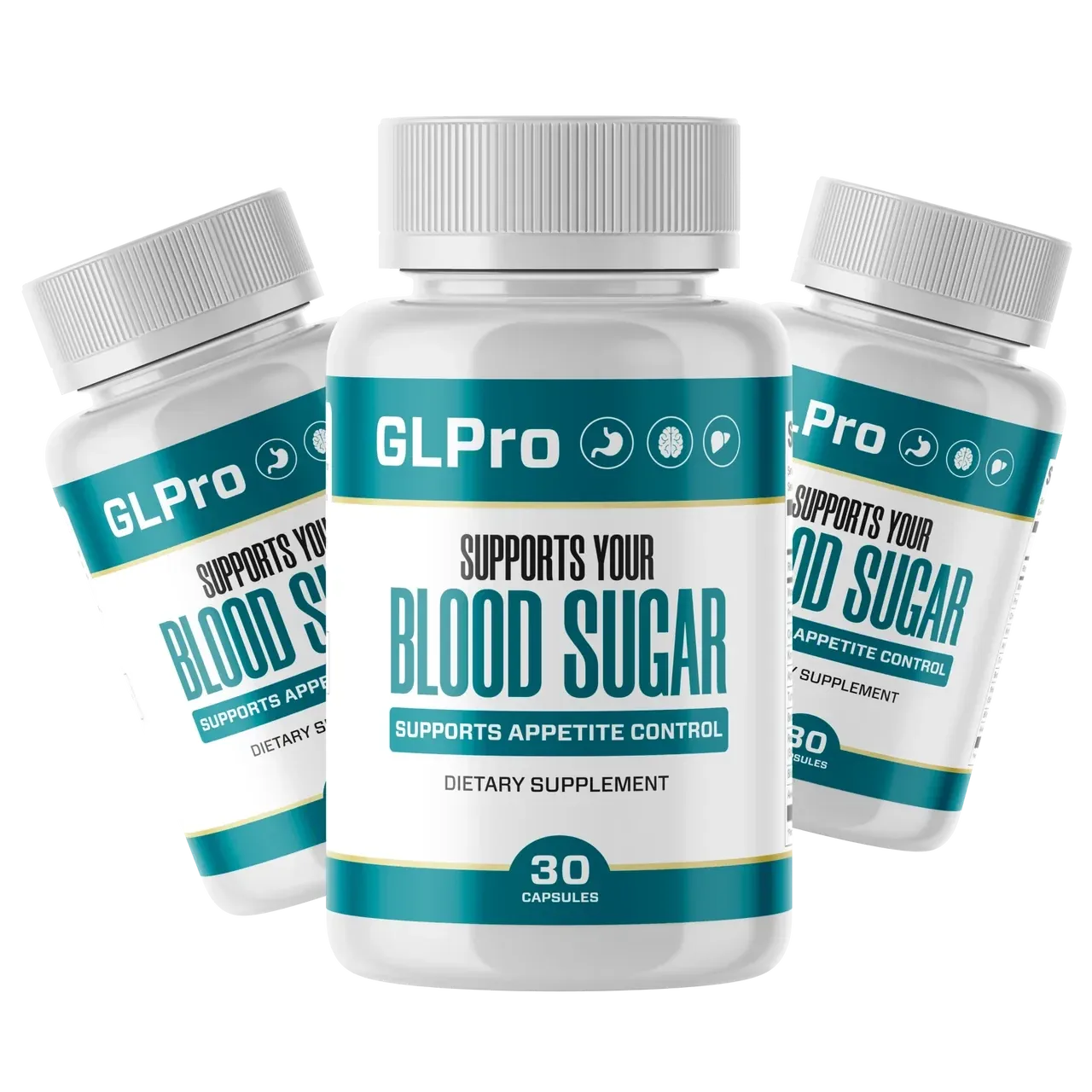
GLPro, with the bottle taken to the appointment first
One capsule a day, 30 to a bottle, for healthy adults. If you take diabetes medicine, the first step is your prescriber, not the checkout. Sixty days to change your mind either way.
$49 to $79 a bottle · 60-day money-back guarantee
Order GLProKnown interactions: berberine and drug-clearing enzymes
Glucose is not the only route by which a supplement can meet a medicine. Some ingredients change how the body clears drugs, and berberine, one of the most common ingredients in blood sugar formulas, is the best-documented case.
A 2012 study by Guo and colleagues gave healthy volunteers berberine repeatedly for two weeks and measured liver enzymes in the cytochrome P450 family. Berberine reduced the activity of several of them, including CYP2D6, CYP2C9 and CYP3A4. Between them those enzymes help clear a large share of commonly prescribed medicines, so slower clearance can mean higher drug levels than the prescriber intended.
NCCIH’s page on berberine adds the practical cautions: it can cause digestive side effects, it may interact with medicines, and it is not considered safe during pregnancy or breastfeeding.
GLPro does not say whether it contains berberine. It publishes no ingredient list at all. Berberine is here because it is common in the category and well studied, not because it is in this capsule. The only way to know what is in any bottle is to read its panel, which is why the bottle goes to the appointment.
A supplement can affect a medicine by adding to its effect or by changing how fast it is cleared, and a pharmacist can check both from a label but not from a description. Our ingredients article covers berberine’s evidence in more depth.
What the mainstream advice says about supplements in diabetes
NCCIH’s page on diabetes and dietary supplements says the evidence does not show that supplements help treat diabetes or its complications, that they should not replace conventional care, and that some can interact with medicines. It asks people to tell every health care provider what they take.
The American Diabetes Association’s 2025 Standards of Care, in its section on health behaviours, says there is no clear evidence that supplements such as vitamins, minerals like chromium, herbs, or spices like cinnamon improve outcomes in people with diabetes who have no underlying deficiency, and that they are not generally recommended for blood sugar control.
- A supplement is an addition to care, never a replacement for it.
- The people treating you need to know about it.
None of that makes GLPro unsafe, and none of it makes GLPro a treatment, which it does not claim to be. The benefits page sets out what the two label claims cover.
Recognising and treating a low
If you take insulin or a sulfonylurea, you have probably been taught what to do about a low. The CDC’s page on low blood sugar is a good refresher, and its core advice fits in a short list.
- Check your blood sugar when symptoms start, if you can.
- If it is below 70 mg/dL, take 15 grams of fast-acting carbohydrate, such as glucose tablets, juice or regular soda.
- Recheck after 15 minutes. If it is still low, repeat.
- Eat a snack or a meal once it is back in range, to keep it there.
- Call 911 if the person cannot swallow, is confused and not improving, or passes out. Glucagon, where it has been prescribed, exists for exactly this.
Where your own clinician’s plan differs, follow it. If a low happens in the weeks after starting any supplement, stop the supplement and tell the prescriber. The guarantee covers any reason inside 60 days.
What to ask your prescriber
A good appointment about a supplement takes five minutes. These questions make it count.
Could this product lower my blood sugar?
The prescriber or pharmacist reads the panel and answers for the ingredients listed. When a product publishes no formula online, the physical bottle exists to answer this.
Does anything in it interact with my other medicines?
Including by changing how they are cleared. Mention every medicine, not only the diabetes ones.
What would make me stop?
Agree a sign in advance, such as a low, a symptom or a reading, and do not change your testing or doses on your own. If nobody can tell what the product does, that is an answer too: the fit page says GLPro is wrong for anyone on insulin or a sulfonylurea whose prescriber has not checked the label.
A checklist to take to the appointment
| Take this | Why |
|---|---|
| The supplement bottle itself | The panel on the bottle is the only published formula |
| A list of every medicine and dose | Interactions depend on the whole list |
| Other supplements and herbal teas | Two products sold for blood sugar can add together |
| Recent readings, if you already monitor | A baseline before anything changes |
| The date you plan to start | So a change can be traced to its cause |
| Your questions, written down | Appointments are short |
The same checklist works for any supplement. Our guide to choosing a blood sugar supplement adds what to look for on the label itself.
There is no countdown on this website, so the appointment can come first. If you have already bought GLPro and the prescriber says no, call order support on +1 (302) 200-3480 with the order ID and start a return.
The verdict
The risk that matters most is simple: insulin and sulfonylureas can cause lows on their own, and anything that also acted on glucose could add to them. A second risk, ingredients that change how drugs are cleared, is less obvious and just as real.
GLPro’s formula is not published online, so this website cannot answer either question for you. The bottle can, in the hands of your prescriber or pharmacist, and that five-minute conversation is the most useful thing on this page. The reviews, the prices and the ingredients page will still be there afterwards.
Sources cited in this article
- National Institute of Diabetes and Digestive and Kidney Diseases. Low Blood Glucose (Hypoglycemia). https://www.niddk.nih.gov/health-information/diabetes/overview/preventing-problems/low-blood-glucose-hypoglycemia
- National Institute of Diabetes and Digestive and Kidney Diseases. Insulin, Medicines, & Other Diabetes Treatments. https://www.niddk.nih.gov/health-information/diabetes/overview/insulin-medicines-treatments
- Guo Y, Chen Y, Tan ZR, Klaassen CD, Zhou HH. Repeated administration of berberine inhibits cytochromes P450 in humans. Eur J Clin Pharmacol. 2012;68(2):213-7. https://pubmed.ncbi.nlm.nih.gov/21870106/
- National Center for Complementary and Integrative Health. Berberine and Weight Loss: What You Need To Know. https://www.nccih.nih.gov/health/berberine-and-weight-loss-what-you-need-to-know
- National Center for Complementary and Integrative Health. Diabetes and Dietary Supplements: What You Need To Know. https://www.nccih.nih.gov/health/diabetes-and-dietary-supplements-what-you-need-to-know
- American Diabetes Association Professional Practice Committee. 5. Facilitating Positive Health Behaviors and Well-being to Improve Health Outcomes: Standards of Care in Diabetes-2025. Diabetes Care. 2025;48(1 Suppl 1):S86-S127. https://pubmed.ncbi.nlm.nih.gov/39651983/
- Centers for Disease Control and Prevention. Low Blood Sugar (Hypoglycemia). https://www.cdc.gov/diabetes/about/low-blood-sugar-hypoglycemia.html